

From Vision to Verification | The Scientific Roadmap of Hydrogen Nanobubbles — Protecting Maternal and Fetal Health

This is the second installment of CWM's series taking on Fetal Growth Restriction (FGR) with hydrogen nanobubble technology.
If you haven't read Part 1 yet, please find it here.
In Part 1, we introduced the reality of the global FGR crisis and why CWM's proprietary Nano-Inset platform's hydrogen nanobubbles could be the solution.
We also explained the anti-inflammatory and antioxidant mechanisms of hydrogen, alongside our vision for low-cost deployment in Low- and Middle-Income Countries (LMICs).
However, vision alone is not enough.
To earn the trust of clinicians, researchers, regulatory authorities, and investors, we must undergo a rigorous and transparent scientific verification process. In this article, we will outline the concrete roadmap required to verify Nano-Inset: what tests we will conduct, in what order, at what cost, and what defines "success." We will also speak candidly about why this very moment—our early stage—is the perfect opportunity for partners and investors to get involved.
Let Me Be Clear From the Start: This is Not the "Hydrogen Water" Fad
First, we must be honest about this point. There is confusion, and its impact is serious.
You might be familiar with products sold as "hydrogen water" at convenience stores, beauty counters, or online. Their dissolved hydrogen concentration is generally around 0.8 to 2 mg/L. At this concentration, it is frankly unrealistic to expect any meaningful biological effect in the body. Scientific literature on these consumer products is scarce, their mechanisms of action are unclear, and the credibility of the entire industry has been compromised.
Nano-Inset is a fundamentally different technology.
The dissolved hydrogen concentration achieved by our system is over 20 mg/L—more than 10 times that of typical consumer products.
However, concentration is not the only differentiator. What intrinsically sets Nano-Inset apart is bubble density. We achieve over 10⁹ nanobubbles per milliliter. The repulsive force from a strong negative electrostatic charge prevents the bubbles from coalescing, allowing hydrogen to be retained stably for long periods. This is not simply hydrogen dissolved in water; it encapsulates hydrogen within highly stable nanoscale structures, fundamentally changing the efficiency of delivery to cells.
Furthermore, we monitor hydrogen activity in real-time using ORP (Oxidation-Reduction Potential) measurement. This is a low-cost, field-deployable method that ensures batch-to-batch reproducibility—a prerequisite for any serious clinical or commercial application.
This distinction is critical. We are not riding a hydrogen water trend. We are building a scientifically rigorous platform using hydrogen, and we are absolutely committed to proving it with data, not marketing.
A Two-Pronged Strategy:Oral and IV, Sequencing, and Risk Design
One of the most critical design decisions in our development roadmap is the parallel pursuit of two administration routes: oral and intravenous (IV). This is not just a scientific choice. It is a risk management strategy and holds immense significance for investors.
1. Oral Administration: Low Hurdles, Broad Markets
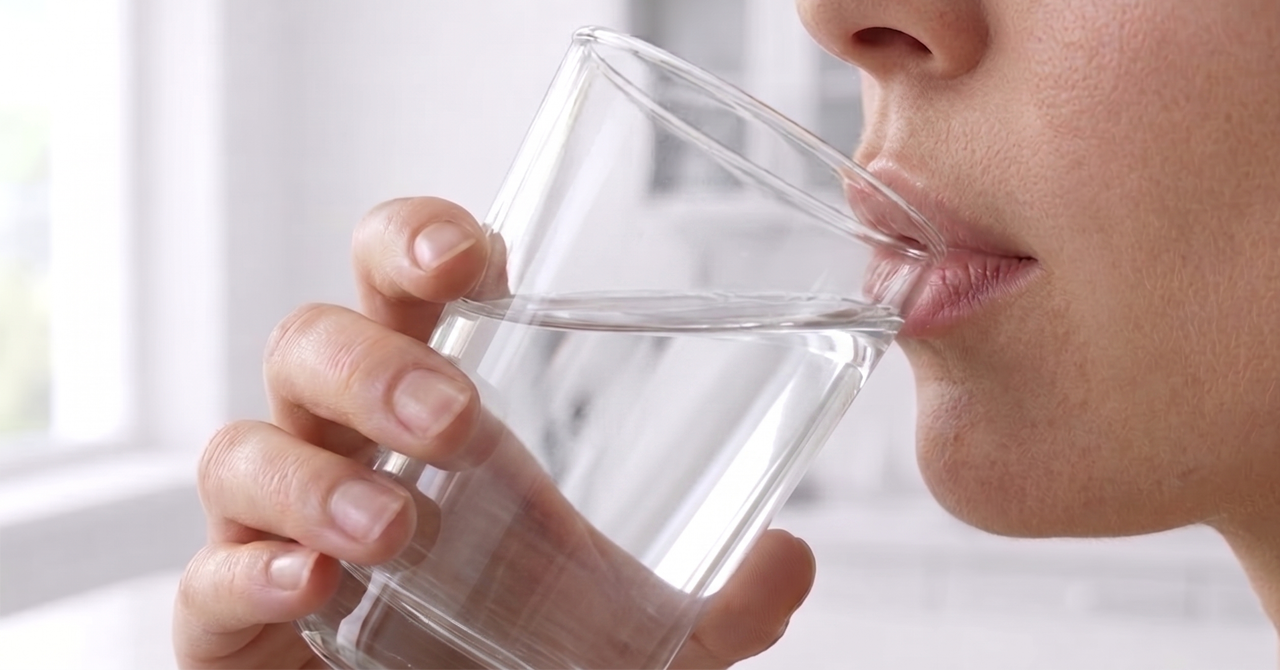
Oral administration of hydrogen nanobubble water faces the lowest regulatory and safety hurdles of any route. It requires no sterile preparation, specialized medical infrastructure, or clinical supervision for daily use. This allows us to move swiftly from prototype to product across multiple market segments simultaneously.
For FGR:
Oral administration is positioned as a preventative or early/mild-stage intervention. It is something pregnant women in rural clinics or community healthcare settings can drink daily to suppress systemic inflammation and support intestinal barrier function throughout pregnancy.
For Anti-Aging & Beauty:
High-concentration oral hydrogen water directly appeals to one of the world's largest and fastest-growing consumer health markets. Oxidative stress is a primary driver of skin aging, inflammatory skin issues, and cellular degradation.
Current "hydrogen water" products lack both the concentration and delivery mechanisms to produce substantial effects. A product backed by real science and data—specifically, one verified for a concentration of 20 mg/L or more and high bubble density—can bring true innovation to a market dominated by high-margin products with little scientific basis. For investors, the oral route represents the fastest and clearest path to commercialization, generating revenue and real-world data long before medical clinical trials are completed.
2. Intravenous (IV) Administration:High Hurdles, High Impact
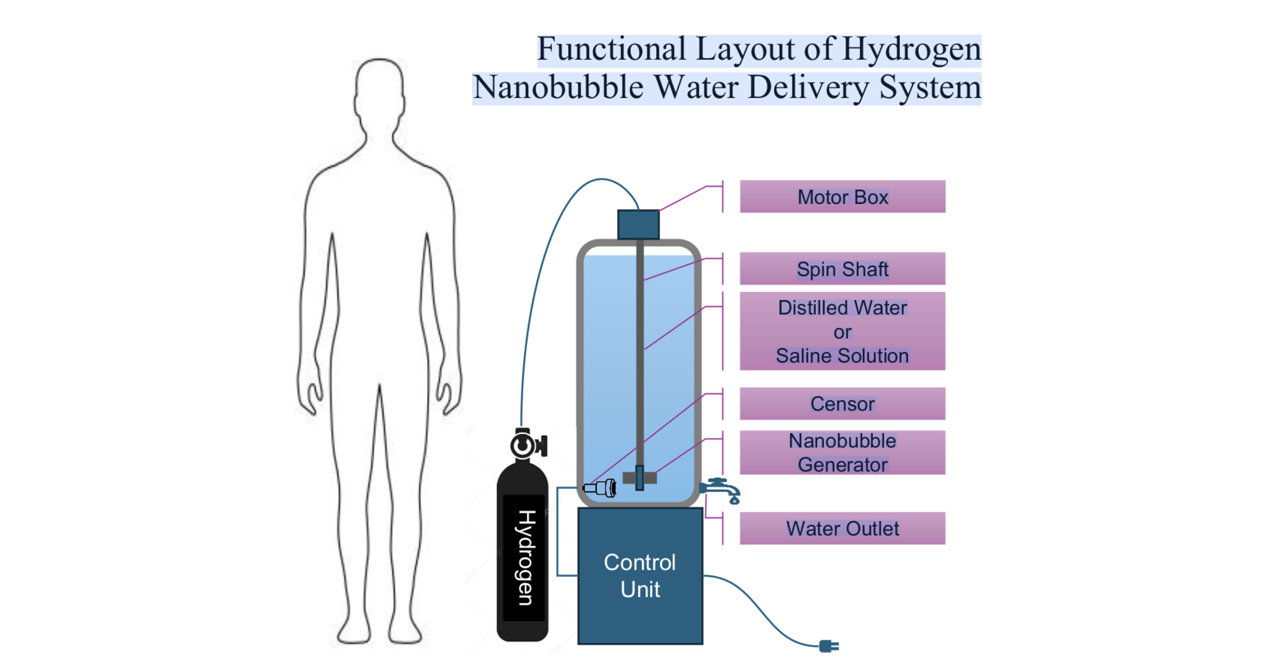
IV administration of hydrogen nanobubbles targets severe cases: hospitalized pregnant women with severe FGR, patients with systemic inflammatory conditions like sepsis, or intensive care applications such as burn and wound irrigation.
The regulatory and safety requirements for IV administration are significantly higher, necessitating sterile preparation, strict quality control, and carefully designed clinical trials. We approach this fully aware of these hurdles.
However, the theoretical rationale for the safety of IV hydrogen nanobubbles is solid. The repulsive force from the negative electrostatic charge on the nanobubble surfaces prevents aggregation, averting the formation of large bubbles that could cause embolisms. Hydrogen itself is the smallest molecule in the universe; it crosses biological membranes with astonishing ease and is rapidly excreted from the body without accumulating.
While these characteristics do not eliminate the need for clinical safety verification, they provide a solid mechanistic foundation as a starting point. The IV route will be developed in stages, only after safety and efficacy data from the oral route have been accumulated. This approach mitigates risk while preserving the maximum medical potential of the platform.
Verification Roadmap: Concrete Stage-by-Stage Plans
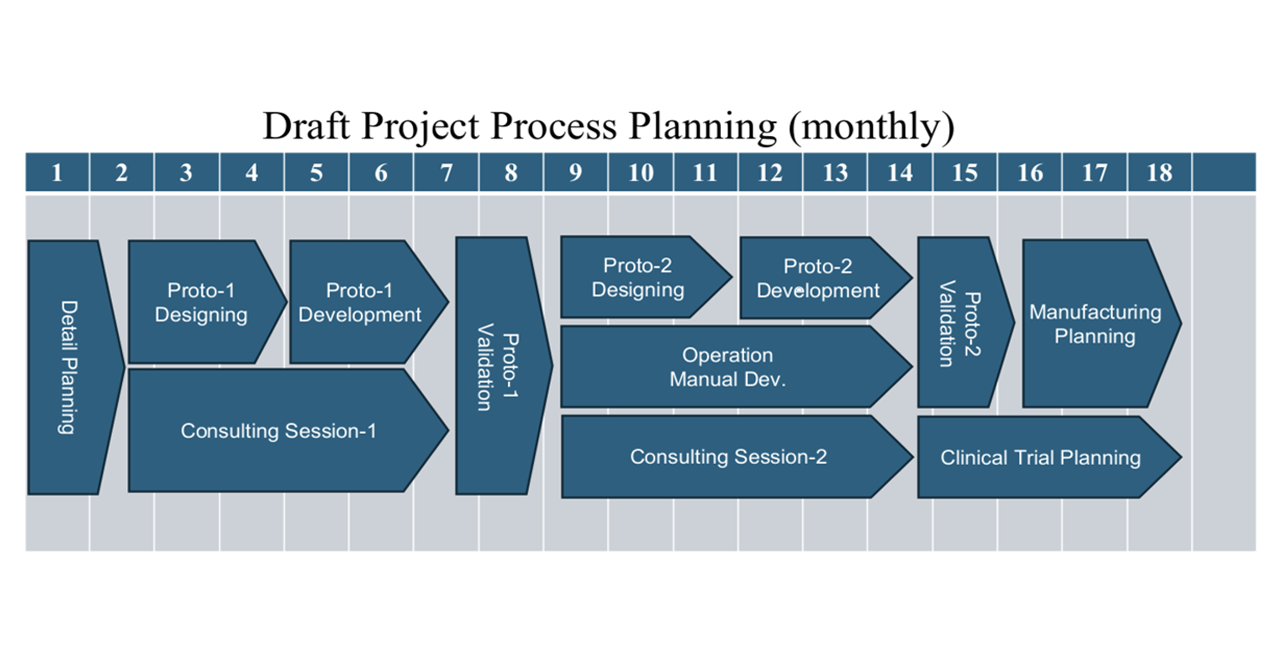
Here is our concrete plan to build the scientific evidence base for Nano-Inset from where we stand today.
Here is our concrete plan to build the scientific evidence base for Nano-Inset from where we stand today.
Stage 1: In Vitro (Cellular Level) — Months 1–6, Low Cost
The first step is confirmation at the cellular level. We will verify whether the hydrogen nanobubble water generated by Nano-Inset actually exhibits the effects suggested by general hydrogen literature in specific cell types relevant to FGR and intestinal inflammation.
Experimental Models:
LPS-stimulated macrophages (systemic inflammation model)
Intestinal epithelial cells (e.g., Caco-2) — Evaluating tight junction integrity and intestinal barrier function
Human placental trophoblast cells — Evaluating oxidative stress reduction in placental tissue
Metrics:
Inflammatory cytokines: IL-6, TNF-α, IL-1β, NF-κB activation
Reactive Oxygen Species (ROS) production
Cell viability and proliferation
Tight junction protein expression (ZO-1, Occludin)
Go/No-Go Criteria (Example):
>30% reduction in IL-6 vs. untreated positive control, with no cytotoxicity.
Estimated Cost:
Approximately $10,000.
This can be conducted in partnership with existing academic institutions or CROs, significantly reducing overhead. In LMIC research environments like Vietnam, equivalent research can be conducted at a fraction of the cost of high-income countries.
Stage 2: Animal Studies (Preclinical) — Months 4–12, Moderate Cost
If Stage 1 data is positive, we will proceed to in vivo verification. We will confirm that cellular-level effects manifest as biological activity in living systems and begin building a safety profile.
Experimental Models:
DSS-induced colitis model (mice): Evaluating the effect of oral Nano-Inset water on intestinal and systemic inflammatory markers.
Pregnant rodent models: Evaluating the impact of oral administration on fetal weight, placental function, and maternal inflammatory markers.
Metrics:
Fetal weight / litter size
Placental weight and histological analysis
Serum inflammatory markers (CRP, IL-6, TNF-α)
Intestinal permeability (FITC-dextran assay)
Organ toxicity panel (liver, kidneys, reproductive organs)
Go/No-Go Criteria (Example):
>5% improvement in average fetal weight vs. control group, with no evidence of maternal toxicity.
Estimated Cost:
Hundreds of thousands of dollars. By collaborating with LMIC research institutions such as those in Vietnam, we can significantly reduce animal testing costs while generating data in models ecologically relevant to the target population.
Stage 3: Early Human Trials (Proof of Concept) — Future Phase
Building on Stages 1 and 2, we will plan a small, carefully designed randomized pilot trial for oral administration targeting LMIC populations.
We anticipate Vietnam as the primary site, leveraging existing relationships and a cost-effective clinical research environment.
The primary endpoint will be safety and tolerability, with secondary endpoints capturing biomarker fluctuations. This phase will lay the groundwork for larger efficacy trials.
How Will We Know It Worked? A Guide to Biomarkers
For our non-expert readers (including investors evaluating the scientific validity of this program), here is a brief explanation of the key biomarkers we will track and why they matter.
[ Inflammatory System (Systemic/Local) ]
CRP (C-Reactive Protein):
The most widely used indicator of systemic inflammation. Inexpensive, versatile, and clinically established.
IL-6, TNF-α, IL-1β:
Major inflammatory cytokines. Elevated levels are reported in FGR pregnancies and intestinal inflammatory conditions.
LBP (LPS-Binding Protein):
A marker of intestinal barrier breakdown; rises when bacteria or their products leak from the gut into systemic circulation.
[ Oxidative Stress System ]
MDA (Malondialdehyde):
A standard indicator of lipid peroxidation. A direct readout of oxidative damage.
8-OHdG:
A marker of oxidative DNA damage.
ORP (Oxidation-Reduction Potential):
Can be measured on-site with simple equipment. CWM's open-license approach for the Nano-Inset system enables this, creating a direct continuity between production monitoring and clinical endpoint measurement.
[ Placental and Fetal Growth Proxies ]
PlGF (Placental Growth Factor):
A marker of placental vascular development. Low levels indicate reduced placental function.
sFlt-1/PlGF Ratio:
Widely used clinically as an early predictor of placental dysfunction and FGR.
Umbilical Artery Doppler:
Non-invasive ultrasound assessment of fetal blood flow; a standard clinical tool for monitoring FGR.
EFW (Estimated Fetal Weight):
Ultrasound-based measurement; the primary clinical indicator of fetal growth.
[ Intestinal Health ]
Zonulin:
A regulator of tight junction opening; elevated levels indicate increased intestinal permeability ("leaky gut").
Fecal Calprotectin:
A non-invasive stool marker for intestinal inflammation.
Why Now? A Message to Investors
The rationale for investing in Nano-Inset at this stage is based on several converging factors:
The technological gap is real:
There is currently no other technology capable of delivering hydrogen at the concentration and bubble density achieved by Nano-Inset at anywhere near its cost.
Structural advantage:
The production device is designed with a target unit price of under $3,000 (operating solely on electricity, distilled water or saline, and a hydrogen cylinder, requiring no cold chain). This creates a structural advantage that competitors cannot easily replicate.
A multi-layered market:
The oral route alone provides simultaneous access to multiple large markets: Anti-Aging & Beauty Wellness (immediate, existing consumer demand), Preventative Maternal Health (near-to-mid-term), and Clinical Management of FGR (mid-term). The IV route opens up even higher-value clinical markets. These are parallel opportunities, not sequential bets.
Low verification cost vs. high potential:
Stage 1 and 2 studies (in vitro and animal testing to confirm or refute mechanistic hypotheses) can be completed for a fraction of the cost of pharmaceutical drug development. By leveraging LMIC research partnerships, particularly in Vietnam, we can generate decision-quality data efficiently and rapidly.
Step-by-step risk design:
We are not asking for a single, massive bet on unverified clinical outcomes. We are proposing a structured program where each stage informs the next investment decision. Go/No-Go criteria are defined in advance. If the data does not meet the criteria, we will make a prompt decision and report it with full transparency.
Open licensing accelerates adoption:
Rather than pursuing a closed commercialization model, CWM is open to technology transfer and licensing to regional manufacturing partners. This approach is designed to accelerate market penetration, primarily in LMICs, while maintaining proper stewardship of our core intellectual property.
Current Position and Next Steps
Currently, CWM is advancing prototype development and engaging in discussions with local partners in Vietnam regarding manufacturability assessments and future clinical collaborations. The design of the Nano-Inset system is complete, and the core technology is in place.
What we are building now is the scientific evidence base to transform this platform from a promising prototype into a verified, deployable intervention.
Partners We Are Seeking:
Immunologists and reproductive scientists for Stage 1 collaborative research
Obstetricians and clinical researchers in LMICs
Beauty, wellness, and consumer health distribution partners for the oral route
Manufacturing OEM partners for pilot production
Investors who understand that the most important opportunities in global health are often difficult, overlooked, and early-stage.
If you are interested in engaging in any of these capacities, please reach out to us.
CWM is a Yokohama-based company developing the Nano-Inset platform for water treatment, construction, and biomedical applications. We believe that applying the power of nanobubbles rigorously and with integrity holds the potential to protect both the environment and the lives of those who depend on its water.
