

What's Happening Beneath the Quiet Lake Surface?The World of "Surprising Methane Measurement" Catching Even Bill Gates' Eye
Beautiful lakes and dams that we gaze at on holidays.
They look quiet and peaceful, but did you know that beneath the surface, a certain "phenomenon" affecting the global environment is taking place?
That phenomenon is the generation of methane gas.
Methane, which has a high greenhouse effect, bubbles up like pop from the mud accumulated at the bottom of lakes.
"Wait, how do you measure gas coming from a vast lake?"
To those who thought this: actually, researchers are chasing these invisible bubbles using a surprising combination of "analog" and "high-tech" methods.
This time, we will introduce these unexpected measurement methods for lakes and the movements of the Bill Gates-led fund and Temasek (Singapore), who have invested huge amounts of money in this field.
1. "Three Tools" to Measure the Lake's Breath
Lakes don't have solid ground to stand on.
So, how do we catch the gas? Here are the unique methods mainly used.
① The "Upside-Down Bucket" Bobbing on the Lake
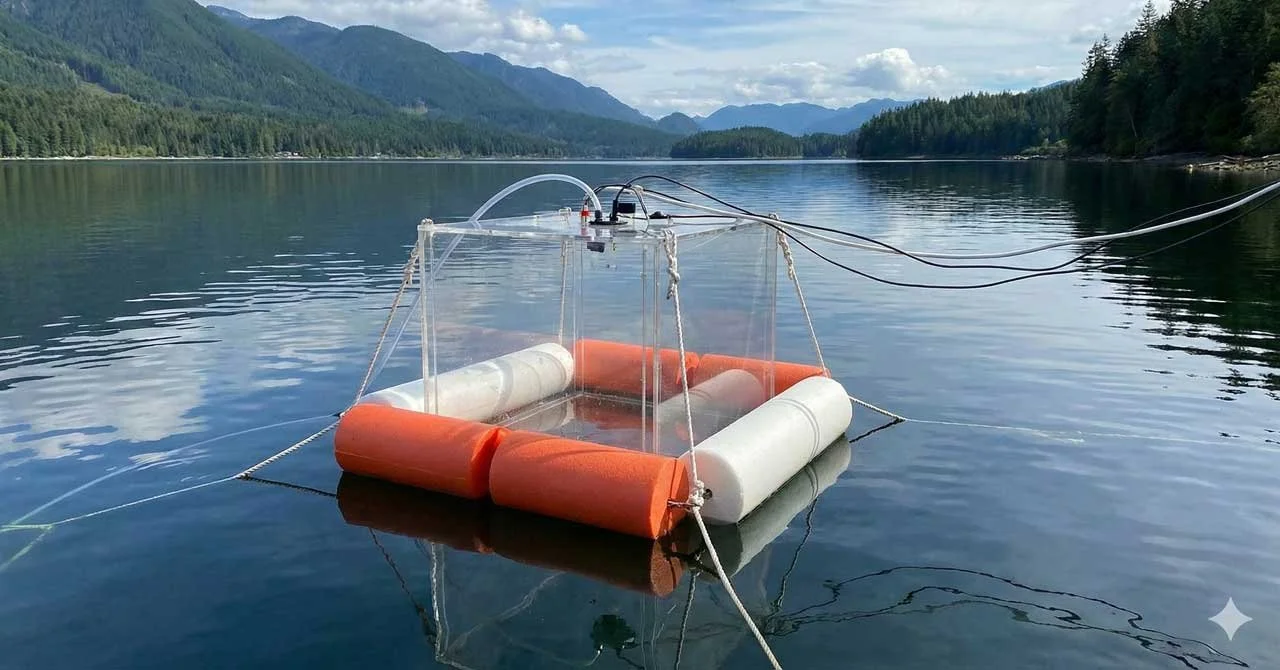
The most popular method is called the "Floating Chamber."
Simply put, it involves floating a "transparent box with a float" (like a swim ring) on the lake.
Since the bottom of the box is open, gas rising from the water surface collects inside the box.
Researchers row out in boats to approach them and suck the air out of the box with a syringe for analysis.
The sight of several white boxes floating on the lake surface might look like mysterious art to those who don't know what they are.
② The "Funnel" Lying in Wait Underwater
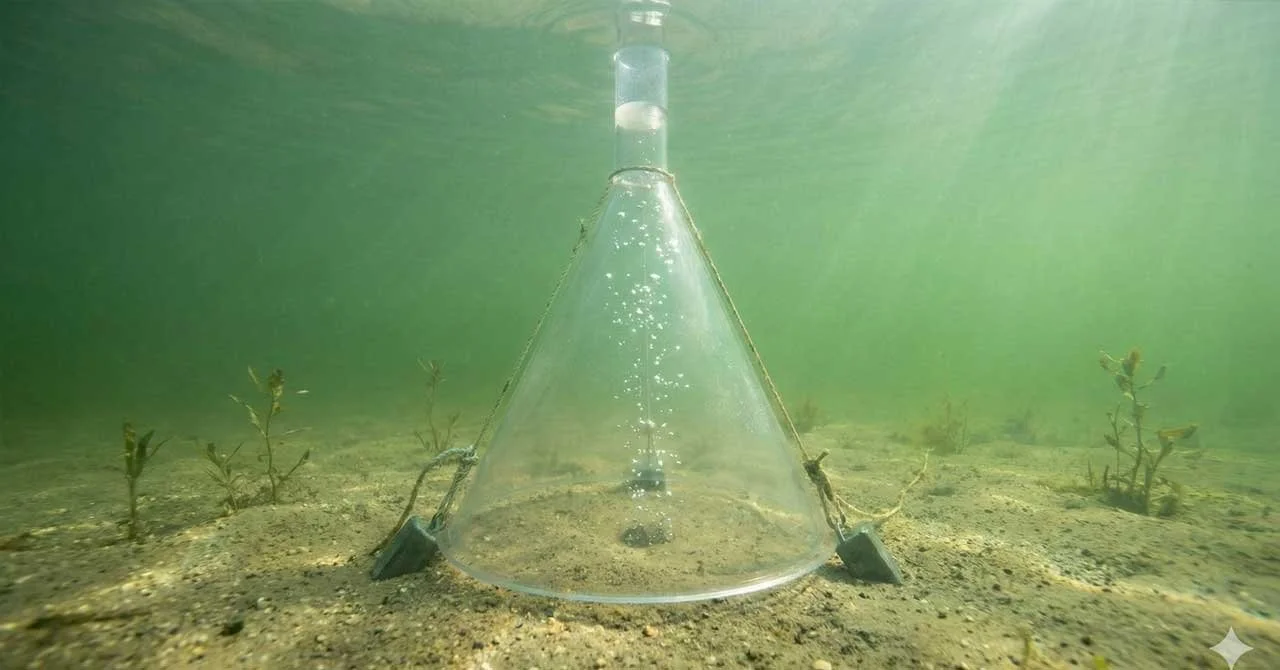
Methane often wells up suddenly from the mud as "bubbles."
To ensure this isn't missed, a device looking like an "inverted funnel" (bubble trap) is submerged in the water. It physically "lies in wait" to catch the bubbles rising from below.
③ "Sonar" to See Bubbles with Sound
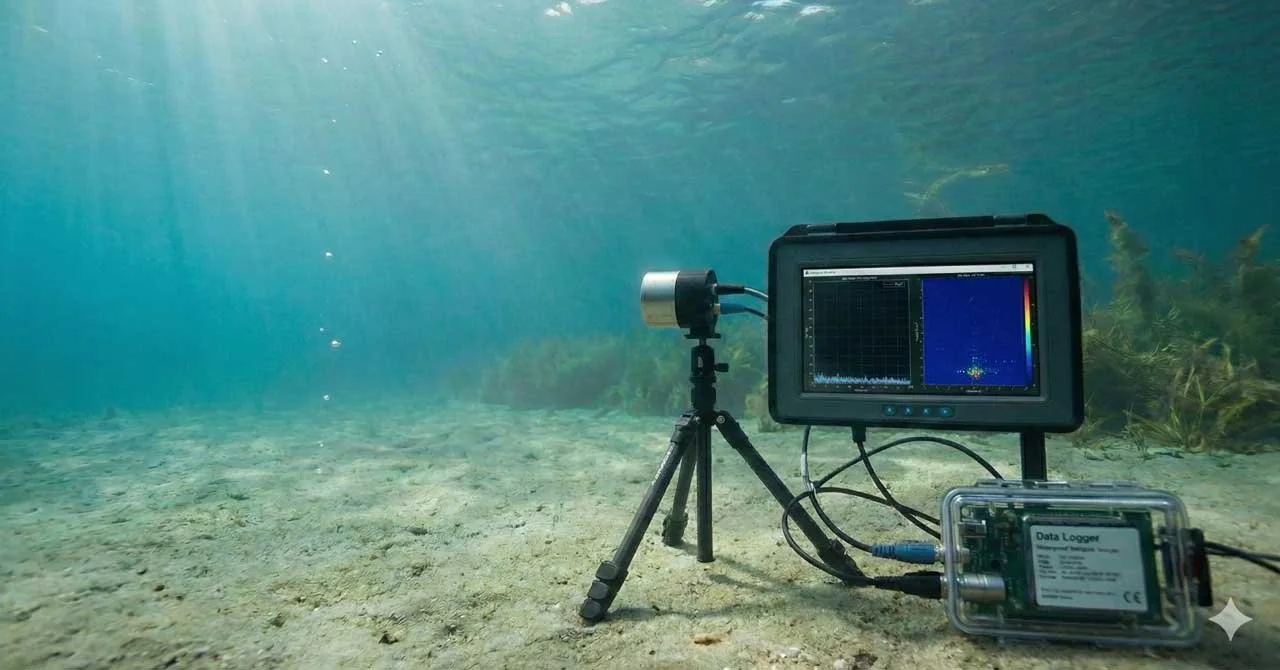
In the latest research, "sound waves (sonar)," similar to fish finders, are also used.
By bouncing sound waves off invisible underwater bubbles, researchers can measure the volume of the bubbles based on the reflection.
Through this latest equipment, the sight of massive amounts of bubbles rising from the bottom of a quiet lake can be seen clearly.
2. Why Focus on "Waterside Methane" Now?
You might think, "Is measuring gas in a lake really that important?"
However, right now, world-class investors are paying close attention to this "methane from water."
Leading the charge are "Breakthrough Energy," led by Microsoft founder Bill Gates, and Singapore's state-owned investment firm, "Temasek."
Their Goal: The "Shortest Route to Cooling the Earth"
In 2024, these two giants teamed up and announced they would invest huge sums into "methane reduction projects," primarily centered in Southeast Asia.
What they view as a particular problem is methane from "places filled with water" like lakes—specifically, methane generated in the process of growing our staple food, "rice (paddy fields)."
A rice paddy is, so to speak, a "shallow, vast, artificial lake." Methane from here accounts for a non-negligible percentage of human-caused greenhouse gases.
If We Can Measure It, We Can Reduce It
The startups they support (such as Rize) are tackling the difficult challenge of "increasing rice yields while reducing only methane" using technology.
To do that, we must first accurately know "where and how much is being released."
That is why the "measurement technology" steadily conducted in lakes and paddy fields is not just research; it is attracting attention from the business world as the forefront of climate change countermeasures.
Summary
Plastic boxes floating on lakes, sensors submerged underwater. These seemingly plain scenes are connected to the future vision of a "decarbonized society" envisioned by Bill Gates and Temasek.
"Accurately measuring invisible bubbles." That is the first step toward protecting our food and the Earth's future.
